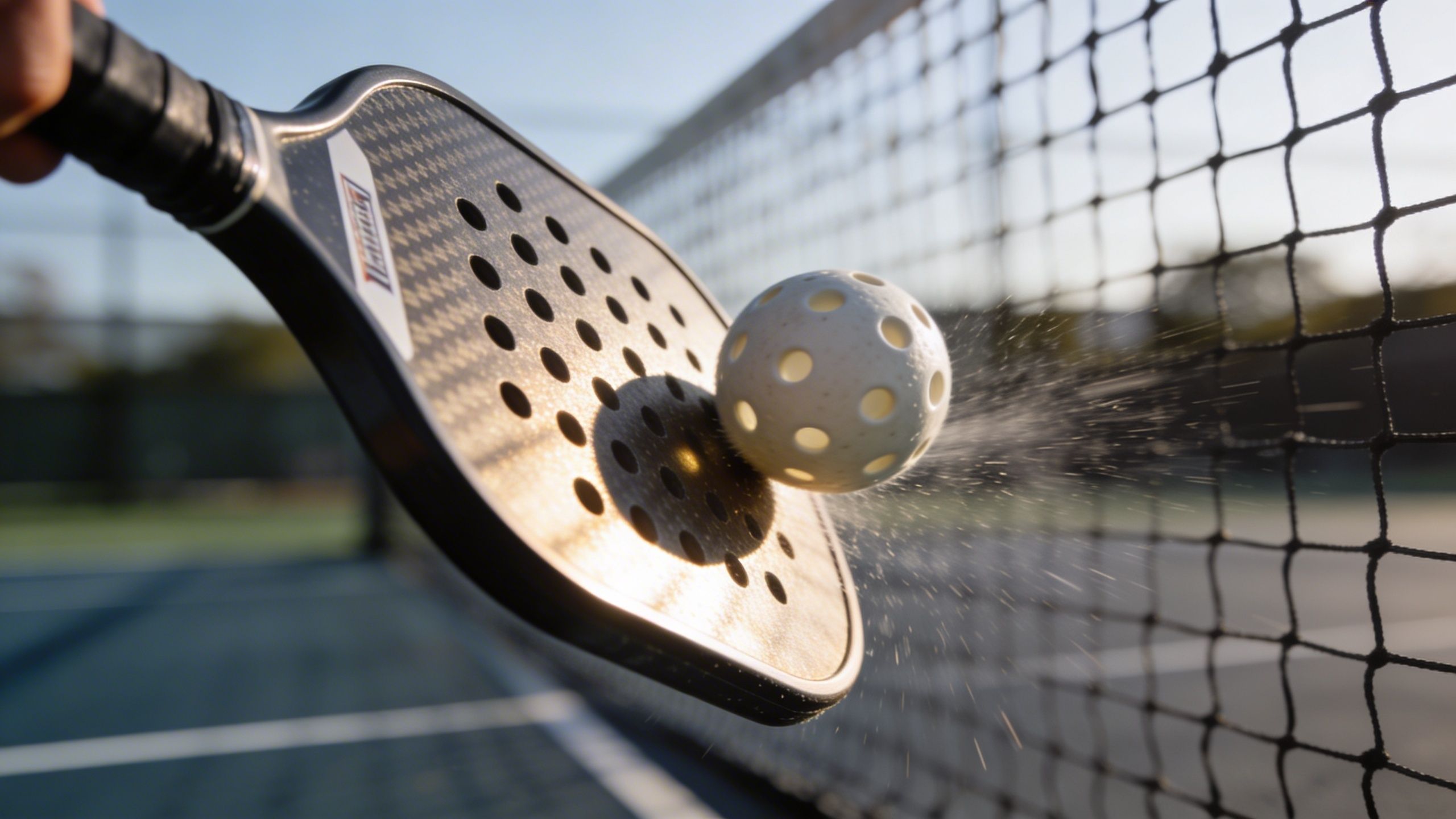
Pickleball may look simple from the outside, but beneath the quick rallies and friendly atmosphere lies a scoring system that shapes every point, every serve, and every strategic decision. Whether you’re playing casually at a local park or stepping into a competitive tournament, understanding pickleball scoring rules is essential to enjoying the game with confidence. Without a clear grasp of how points are earned, how service rotates, and how games are officially won, even experienced athletes can feel uncertain on the court. The beauty of pickleball scoring is that it rewards consistency and awareness. Unlike many other racket sports, not every rally results in a point. This unique structure creates tension, builds momentum shifts, and forces players to think carefully about when and how they attack. Once you understand the scoring system, you’ll see how it influences positioning, strategy, and teamwork.
A: Traditional scoring—only the serving team scores; the receiving team can only win the serve.
A: The third number shows whether it’s your team’s first or second server for that service turn.
A: The starting team begins with their second server so they get only one server before the first side out.
A: Even score = right side; odd score = left side (singles and the correct server’s position in doubles).
A: No—only the serving team switches when they score a point and keep serving (traditional scoring).
A: When the serve changes to the other team (after the second server loses the rally in traditional scoring).
A: The server calls it before serving; receivers should ask for a repeat if they didn’t hear it.
A: Stop before the next serve, confirm the correct server/score, and fix positions—house/tournament rules may vary.
A: Yes in some formats, but it’s not the default—confirm before playing.
A: Use the last agreed score as the anchor; if both teams can’t agree, replay a point after setting a score together.
Only the Server Scores: The Rule That Changes Everything
The single most important rule in pickleball scoring is that only the serving side can score a point. This applies in both singles and doubles play. If the receiving team wins a rally, they do not earn a point. Instead, they win the right to serve.
This rule dramatically impacts the flow of the game. When you are serving, every rally becomes an opportunity to build your score. When you are receiving, your goal is to earn the serve and create your own scoring opportunity. Momentum swings are common, and long stretches can pass without a team adding to the scoreboard if the serve keeps changing sides.
Games are typically played to 11 points, and a team must win by at least two points. In tournament settings, games may be played to 15 or 21, but the win-by-two requirement remains consistent. This structure ensures that victories are decisive and that teams cannot win on a narrow one-point edge.
Understanding that only the serving team scores immediately clarifies much of the confusion beginners experience. It explains why rallies matter even when no point is awarded and why holding serve is such a critical part of strategy.
Decoding Doubles Scoring: The Three-Number System Explained
Doubles pickleball is the most common format, and it introduces a three-number scoring system that can initially feel intimidating. When the score is announced, it is called in this order: the serving team’s score, the receiving team’s score, and the server number.
For example, if the score is called as 8-5-2, it means the serving team has 8 points, the receiving team has 5 points, and it is the second server on the serving team’s turn.
Each doubles team has two players, and both players get an opportunity to serve before the serve moves to the opposing team. This sequence is known as a side out. When the first server loses a rally, the serve switches to their partner. If the second server also loses a rally, the serve passes to the other team.
This rotation continues throughout the game. The third number in the score always indicates whether the current server is the first or second server for that service turn. This structure ensures fairness and allows each player equal opportunity to contribute to scoring.
While it may take a few games to feel natural, the three-number system is highly organized. Once you recognize its rhythm, keeping score becomes second nature.
The First Serve Exception: Starting the Game Fairly
At the very beginning of a doubles pickleball game, there is one small exception to the usual serving rotation. To balance the advantage of serving first, only one player from the starting team serves before the serve passes to the opposing team.
The game typically begins with a score call of 0-0-2. Although it may seem unusual, this indicates that the starting server is considered the second server for that initial turn. After that first side out, the standard two-server rotation begins for both teams.
This exception prevents the first-serving team from gaining an early advantage by having two consecutive serving opportunities at the start. It ensures fairness and maintains competitive balance from the opening rally.
Once you’ve played a few matches, this initial rule becomes easy to remember and rarely causes confusion.
Singles Scoring: Streamlined and Straightforward
Singles pickleball uses a simpler scoring structure than doubles. Only two numbers are called: the server’s score and the receiver’s score. There is no third number because there is only one server per side.
The serving position in singles is determined by the server’s score. If the server’s score is even, they serve from the right-hand side of the court. If their score is odd, they serve from the left-hand side. This even-odd system keeps players aligned correctly and eliminates the need for complex rotation tracking.
The server continues serving as long as they win points. If they lose a rally, the serve immediately switches to the opponent. There is no partner to rotate with, which makes singles scoring easier to manage and ideal for beginners who want to focus on fundamentals.
Despite its simplicity, singles still follows the core principle that only the serving side can score. This keeps the game consistent across both formats.
Serving Position and Score Alignment: Staying Oriented
One of the most practical aspects of pickleball scoring is the alignment between score and court position. In doubles, players can confirm they are in the correct serving position by checking whether their team’s score is even or odd.
At the start of the game, each player begins on a specific side of the court. Whenever the team’s score is even, the player who started on the right should be on the right again. When the score is odd, that same player should be on the left. This pattern helps players verify correct positioning without relying solely on memory.
Clear communication is essential. Before serving, players are expected to call the score loudly and clearly. This practice ensures that all four players agree on the current score and server number. It reduces disputes and keeps the match running smoothly.
Staying organized with score calls and positioning not only prevents errors but also builds confidence and professionalism on the court.
Winning by Two: Closing Out Matches the Right Way
In pickleball, games cannot end on a single-point margin. A team must win by at least two points. If the score reaches 10-10 in a standard game to 11, play continues until one team leads by two points, such as 12-10 or 13-11.
This win-by-two rule increases intensity late in games. Every rally becomes more meaningful as teams fight to create separation. It prevents sudden, fluke finishes and ensures that the winning team has demonstrated clear superiority in the final stretch.
In tournament formats where games are played to 15 or 21 points, the same rule applies. Regardless of the target score, a two-point lead is required to secure victory.
Understanding this rule eliminates confusion at match point and ensures players know exactly when the game officially ends.
Common Scoring Mistakes and How to Avoid Them
Even experienced players occasionally make scoring errors. The most common mistake in doubles is forgetting the server number or serving out of rotation. These errors usually happen during long rallies or after extended discussions about line calls.
To minimize confusion, always call the score before serving. Speak clearly and confirm that all players agree. Many recreational players help each other track the score, reinforcing the collaborative spirit of pickleball.
Another frequent mistake occurs when players assume they earned a point after winning a rally while receiving. Remember, winning a rally while receiving earns you the serve, not a point. Keeping this principle in mind prevents unnecessary disputes.
By focusing on clarity, communication, and awareness of rotation, scoring errors become rare.
Confidence Through Clarity: Mastering Pickleball Scoring
Pickleball scoring rules may seem complex at first glance, especially in doubles with its three-number calls and service rotation. But once you understand the core principles, everything falls into place. Only the serving team scores. Doubles teams get two servers per turn after the opening exception. Singles players serve from the right on even scores and from the left on odd scores. Every game must be won by two points. These simple yet structured rules create a balanced and competitive environment. They encourage strategic serving, reward consistency, and keep every rally meaningful. Most importantly, they allow players of all skill levels to participate confidently once the system is understood. When you step onto the court knowing exactly how pickleball scoring works, you remove uncertainty from your game. Instead of worrying about numbers, you can focus on placement, teamwork, and strategy. And that clarity transforms pickleball from a confusing experience into a fast-paced, rewarding sport that anyone can enjoy. With a solid understanding of pickleball scoring rules, you’re ready to compete, communicate clearly, and fully immerse yourself in one of the fastest-growing sports in the world.