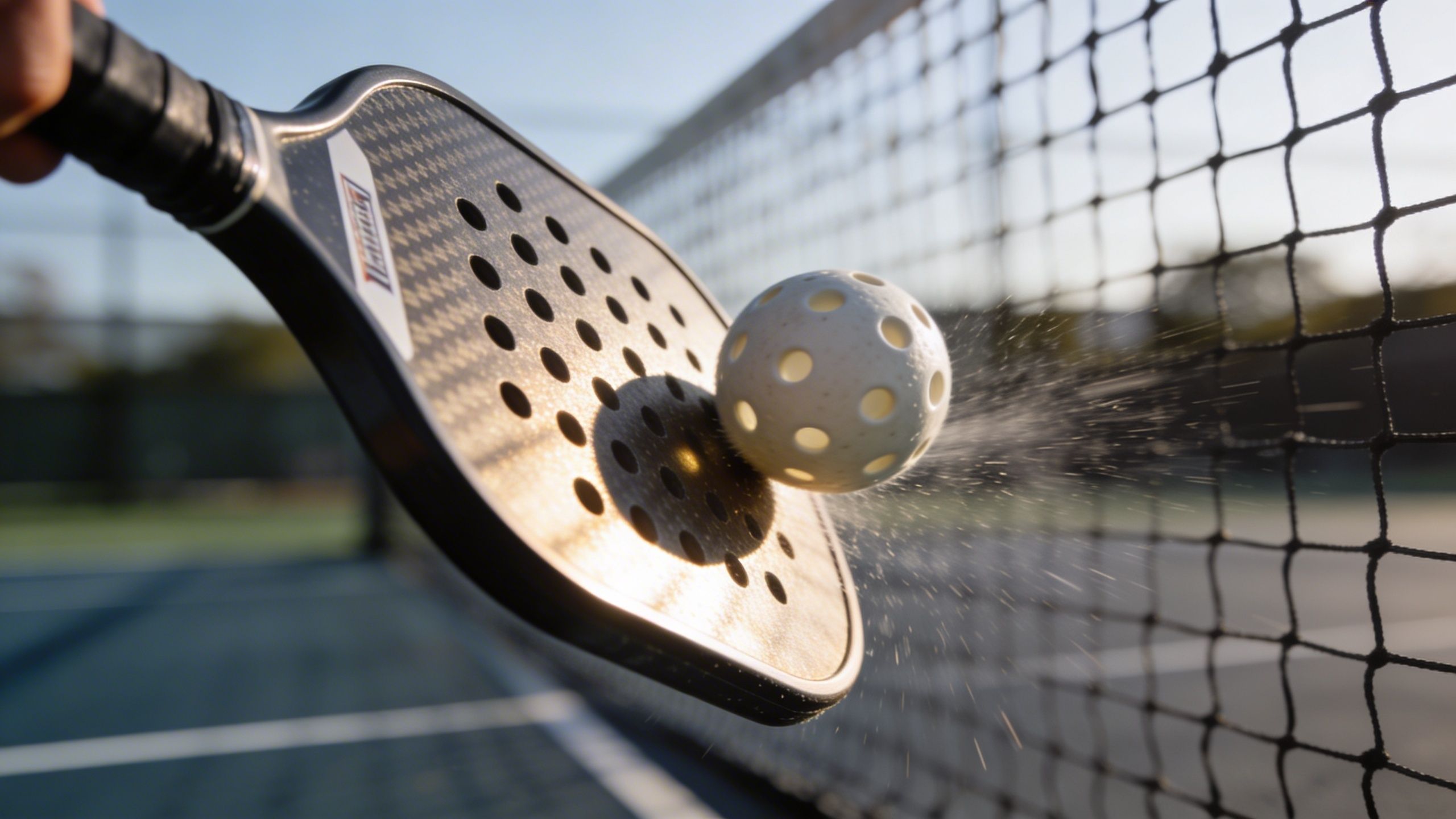
Pickleball looks simple when you first step onto the court. The rallies are quick, the paddle is easy to handle, and the court feels smaller than tennis. But then someone calls out a score like “6-4-2,” and suddenly everything feels complicated. If you’ve ever paused mid-game wondering what those three numbers mean, you’re not alone. Learning how to keep score in pickleball is often the biggest hurdle for beginners, especially in doubles. The good news is that pickleball scoring is logical once you understand the structure behind it. Whether you’re playing singles or doubles, the system follows consistent rules designed to keep games fair and organized. Once you grasp who can score, how service rotation works, and why doubles uses three numbers instead of two, you’ll feel confident calling the score and tracking every rally. This complete guide breaks down pickleball scoring in a simple, practical way so you can step onto the court and focus on playing rather than second-guessing the numbers.
A: The third number tells you if it’s the team’s first or second server for that service turn.
A: It means the starting team begins with their second server so they only get one server before the first side out.
A: No—only the serving team switches sides when they win a point and keep the serve.
A: Yes—within that game, partners keep their “first/second” order for each service turn.
A: Use even/odd: serve from the right with an even score, from the left with an odd score.
A: Stop play, confirm the correct score/server, and fix it before continuing—house rules vary, so agree quickly.
A: Two numbers only: server score then receiver score (example: “7–4”).
A: The server calls it before serving; receivers should ask for a repeat if they didn’t hear it.
A: A side out is when the serve switches to the other team (after the second server loses a rally in traditional scoring).
A: Some formats do, but traditional scoring is still the default in most settings—confirm at the start.
The Foundation: Only the Serving Team Scores
The most important rule to understand in pickleball scoring is this: only the serving team can score points. This applies in both singles and doubles. If the receiving team wins a rally, they do not earn a point. Instead, they win the serve.
This rule changes the rhythm of the game compared to sports where points are awarded on every rally. In pickleball, the serving team has the opportunity to build momentum by stacking points during their service turn. Once they commit a fault and lose the rally, the serve moves to the next player or the opposing team, depending on the format.
Most standard pickleball games are played to 11 points, and a team must win by at least two points. In tournaments, games may be played to 15 or 21, but the “win by two” rule remains consistent. Understanding this basic structure is the first step toward mastering scorekeeping.
Breaking Down Doubles Scoring Without the Confusion
Doubles pickleball is where most beginners feel overwhelmed by scoring. That’s because doubles uses three numbers instead of two. When a player calls the score, they announce it in this order: the serving team’s score, the receiving team’s score, and the server number.
For example, if the score is called as 5-3-1, it means the serving team has 5 points, the receiving team has 3 points, and the current server is the first server on that team.
Each team in doubles has two players, and both players get a chance to serve before the serve switches to the opposing team. This sequence is known as a side out. At the beginning of the game, however, only one player from the starting team serves before the serve passes to the other team. This special exception ensures fairness and balances the first-serve advantage.
Here’s how it works in action. When a team wins the serve, the first server begins serving from the right-hand side of the court if their team’s score is even. If the score is odd, they serve from the left-hand side. The server continues serving and alternating sides each time their team wins a point. If the server loses a rally, the serve moves to their partner. That partner then serves under the same side-switching rule until they lose a rally. After both partners have served and lost their rallies, the serve goes to the opposing team.
This rotation continues throughout the game, and the third number in the score always indicates whether it is the first or second server for that team’s turn.
Understanding the First Serve Exception at the Start of the Game
The beginning of a doubles pickleball game includes one small but important exception. To avoid giving the first-serving team too much of an advantage, only one player from that team serves before a side out occurs.
At the very start of the game, the score is called as 0-0-2. While this may seem strange, it signals that the serving team’s first server is technically considered the “second server.” This eliminates the need for two full service turns at the beginning and keeps the match balanced.
After that initial side out, the game proceeds normally, and each team gets two servers per turn. While the 0-0-2 call may feel awkward at first, it quickly becomes second nature once you understand its purpose.
Singles Scoring Made Simple
Compared to doubles, singles scoring in pickleball is refreshingly straightforward. Only two numbers are called: the server’s score and the receiver’s score. There is no third number because there is only one server per side.
The serving rules follow a simple pattern based on even and odd scores. When the server’s score is even, they serve from the right-hand side of the court. When their score is odd, they serve from the left-hand side. This rule ensures players rotate service positions correctly without confusion.
The server continues serving as long as they win points. If they lose a rally, the serve immediately goes to the opponent. There is no partner to rotate with, which makes singles scoring much easier to track.
For beginners transitioning from doubles to singles, the biggest adjustment is realizing there is no “second server.” Once you lose a rally while serving, the serve changes sides immediately.
How to Keep Track of Serving Position
One of the most common beginner mistakes in pickleball is losing track of who should be serving and from which side. Fortunately, there are simple ways to stay organized.
In doubles, your serving position is determined by your team’s score. When your team’s score is even, the player who started the game on the right side should be on the right side again. When your team’s score is odd, that same player should be on the left. This alignment helps you quickly verify whether you are standing in the correct spot.
Many players also develop small habits to stay oriented. Some quietly repeat the score before serving. Others confirm the server number out loud with their partner. Communication is essential, especially in competitive matches where a service error can cost momentum.
If a serving team accidentally serves out of order and the error is discovered before the next rally begins, it can usually be corrected without penalty. However, once a rally is completed, the result typically stands. That’s why clarity before each serve is so important.
Winning by Two: Closing Out the Game Correctly
Pickleball games must be won by at least two points. This rule prevents games from ending abruptly on a narrow margin and ensures a clear victory. If the score reaches 10-10 in a game played to 11, play continues until one team leads by two points, such as 12-10 or 13-11.
This win-by-two requirement adds intensity near the end of games. Teams must remain focused, as a single error can shift momentum dramatically. In tournament settings where games are played to 15 or 21, the same principle applies. No matter the target score, a two-point lead is required to secure the win.
Understanding this rule helps players manage pressure and avoid confusion about when a game officially ends.
Common Scoring Mistakes and How to Avoid Them
Most scoring mistakes in pickleball stem from losing track of the server number in doubles or forgetting which side to serve from. These errors are common among beginners and even intermediate players, especially during long rallies or intense matches.
To minimize confusion, always call the score clearly before serving. Make eye contact with opponents to ensure everyone agrees. In recreational play, players often help each other remember the correct score, reinforcing the sport’s community-driven spirit.
Another common mistake occurs when players assume they earned a point after winning a rally while receiving. Remember, only the serving team scores. If you win a rally as the receiving team, you gain the serve, not a point.
By focusing on these core principles, scoring quickly becomes second nature.
From Confusion to Confidence: Mastering Pickleball Scoring
Learning how to keep score in pickleball may seem intimidating at first, especially in doubles with its three-number system. But once you understand that only the serving team scores, that doubles teams get two servers per turn, and that serving position depends on even and odd points, the structure becomes surprisingly simple. Singles scoring offers an even easier path for beginners, reinforcing the foundational rule that service position follows your score’s parity. Across both formats, consistency, communication, and attention to detail ensure smooth gameplay. Scoring is more than just calling numbers. It shapes the flow of the match, determines strategy, and builds competitive momentum. When you fully understand how to keep score in pickleball, you move from hesitant beginner to confident participant. The next time you step onto the court and hear a score called out, you won’t hesitate. You’ll know exactly what it means, where to stand, and how the rally fits into the bigger picture of the game. And that confidence makes pickleball not only easier to play, but far more enjoyable.