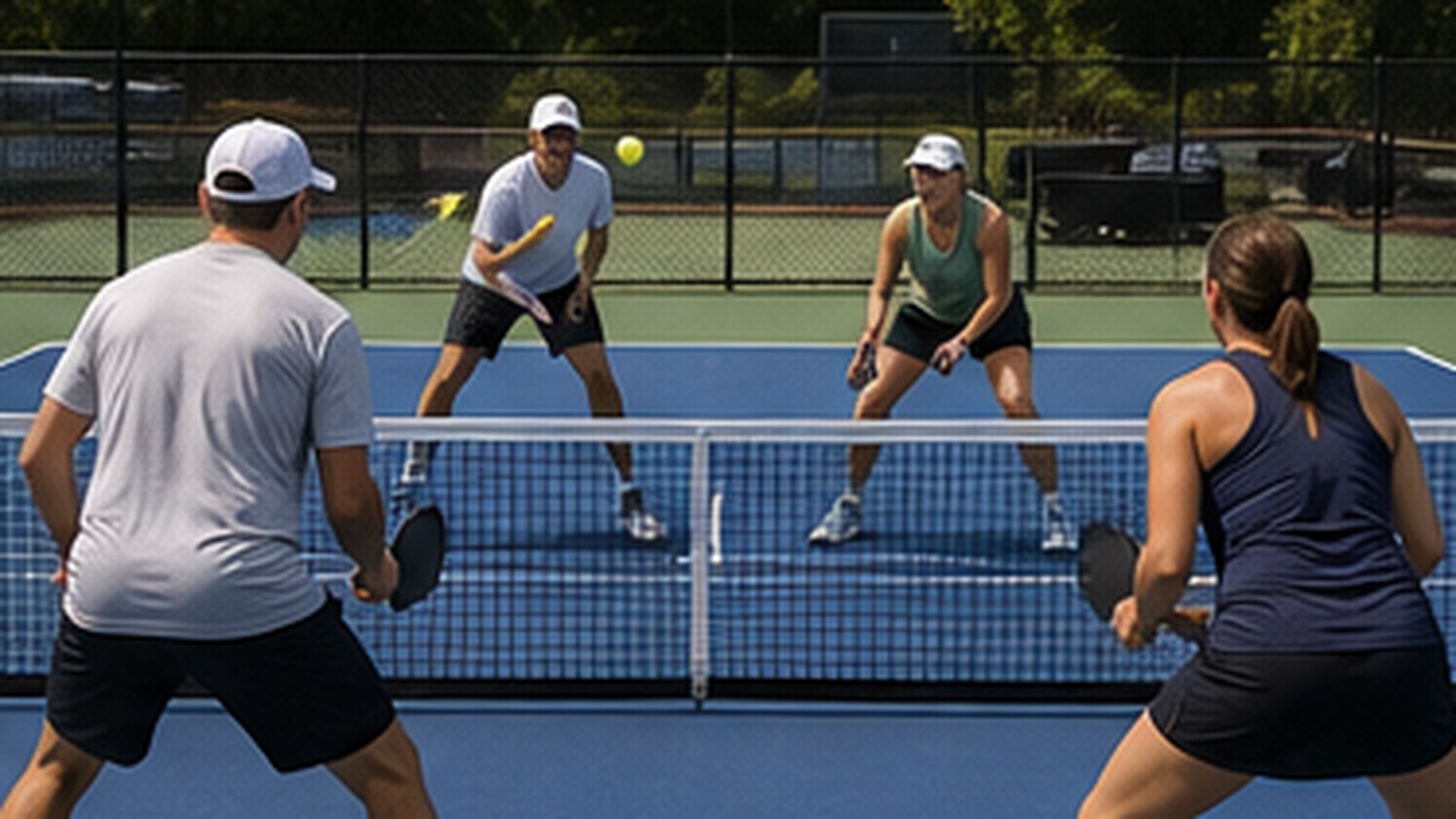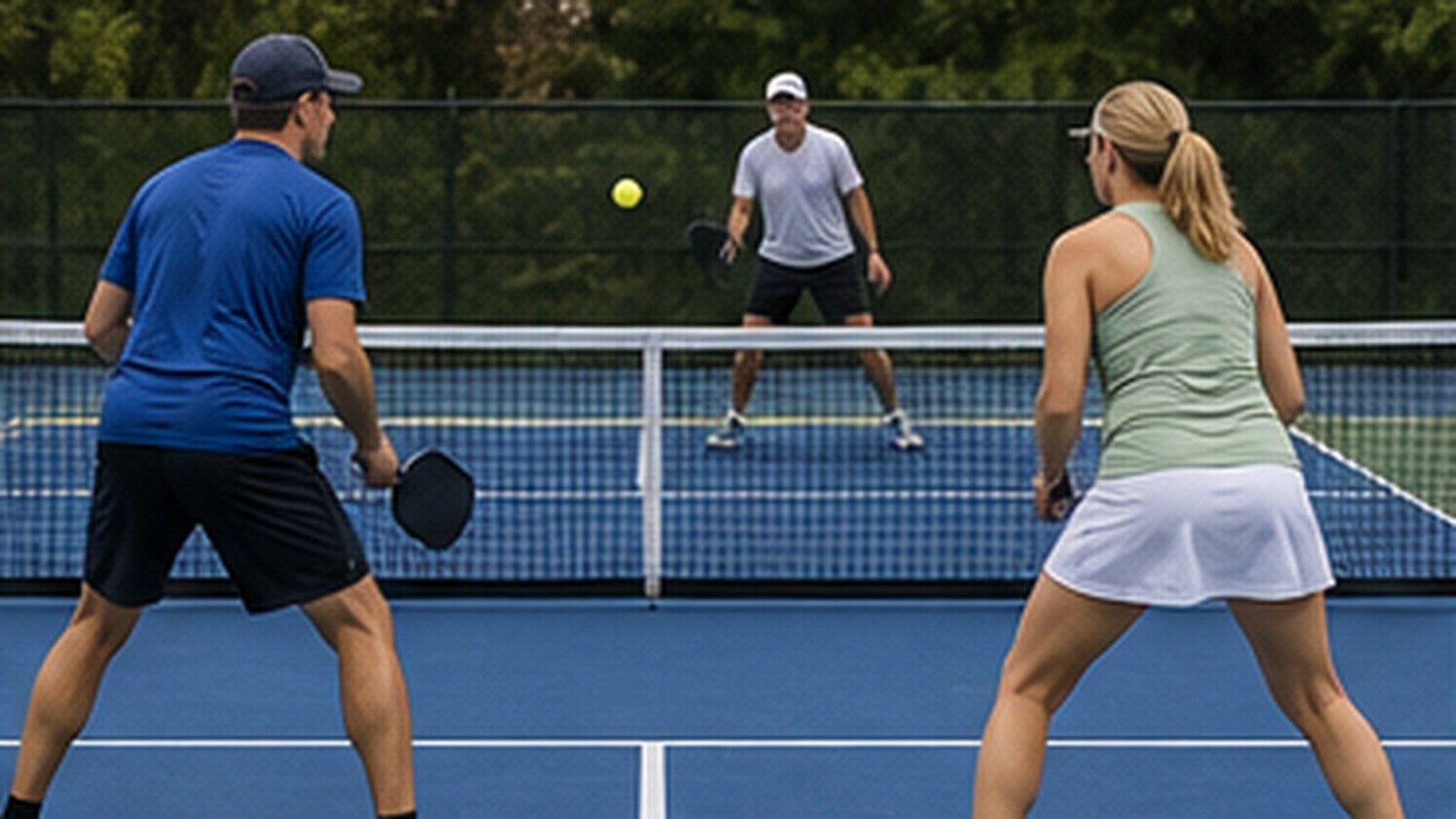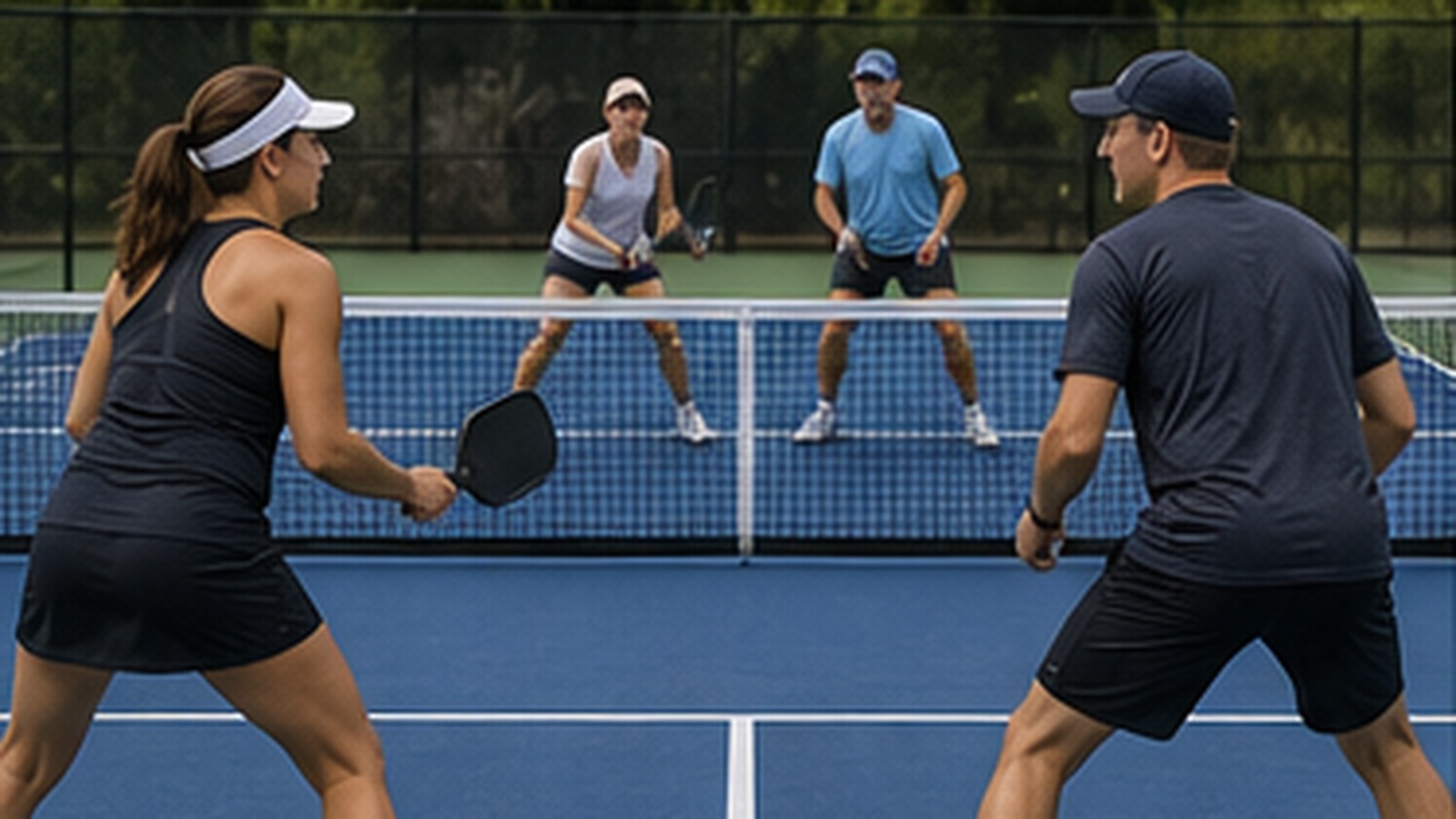
Partner Chemistry Drills to Win More Rec Games for Better Shot Selection can sound like a narrow topic, but on the court it touches almost everything that makes pickleball feel easier: preparation, balance, contact, target choice, and recovery. This guide looks at partner chemistry through the lens of drills, with a practical focus on what players can actually feel during a rally. Instead of treating the skill as a trick, we will break it into clear decisions that help doubles teams play with more control and less guessing. The goal is not to copy a professional motion perfectly. The goal is to build a dependable version you can repeat when the score is close, the ball is awkward, or your opponent is pressing.
A: Fix contact height and target margin before adding speed.
A: Feet set up the hands; both matter, but late feet usually cause rushed contact.
A: Use short sets of focused reps, then test the skill in a live rally.
A: Usually no. A reliable neutral ball creates more points than a risky winner.
A: Pick a generous zone first, then shrink it as control improves.
A: Games add movement, score pressure, and imperfect feeds.
A: Your misses become smaller and your recovery gets faster.
A: Yes, especially when your partner knows the target and intention.
A: Only if the current grip prevents a stable paddle face.
A: Arrive balanced, see the target, and finish ready.
Start With the Real Job of Drills
How to Measure Progress Without Guessing matters because Partner Chemistry Drills to Win More Rec Games for Better Shot Selection is not a single magic move. It is a chain of choices that starts before contact and continues after the ball leaves the paddle. For doubles teams, the best improvement usually comes from learning to steady the tempo first, then letting power or touch appear naturally. When the partner chemistry feels rushed, the player often blames the swing, but the real issue may be spacing, spacing, or a target that was never clear enough. Use a practice rep that tells you whether the paddle face stayed quiet as feedback instead of frustration. If the ball misses by the same pattern twice, change one variable: aim higher, shorten the motion, soften the hand, or recover sooner. That is the heart of match rhythm. You are not trying to perform a perfect version every time; you are building a version of drills that survives normal game pressure and still gives your next shot a chance.
How to Measure Progress Without Guessing matters because Partner Chemistry Drills to Win More Rec Games for Better Shot Selection is not a single magic move. It is a chain of choices that starts before contact and continues after the ball leaves the paddle. For doubles teams, the best improvement usually comes from learning to protect the paddle face first, then letting power or touch appear naturally. When the partner chemistry feels rushed, the player often blames the swing, but the real issue may be tempo, spacing, or a target that was never clear enough. Use a doubles exchange where one calm reset changes the whole mood of the rally as feedback instead of frustration. If the ball misses by the same pattern twice, change one variable: aim higher, shorten the motion, soften the hand, or recover sooner. That is the heart of match rhythm. You are not trying to perform a perfect version every time; you are building a version of drills that survives normal game pressure and still gives your next shot a chance.
Reading the Opponent Before You Swing for Partner Chemistry
Reading the Opponent Before You Swing matters because Partner Chemistry Drills to Win More Rec Games for Better Shot Selection is not a single magic move. It is a chain of choices that starts before contact and continues after the ball leaves the paddle. For doubles teams, the best improvement usually comes from learning to direct the spacing first, then letting power or touch appear naturally. When the partner chemistry feels rushed, the player often blames the swing, but the real issue may be contact height, spacing, or a target that was never clear enough. Use a doubles exchange where one calm reset changes the whole mood of the rally as feedback instead of frustration. If the ball misses by the same pattern twice, change one variable: aim higher, shorten the motion, soften the hand, or recover sooner. That is the heart of match rhythm. You are not trying to perform a perfect version every time; you are building a version of drills that survives normal game pressure and still gives your next shot a chance.
Reading the Opponent Before You Swing matters because Partner Chemistry Drills to Win More Rec Games for Better Shot Selection is not a single magic move. It is a chain of choices that starts before contact and continues after the ball leaves the paddle. For doubles teams, the best improvement usually comes from learning to steady the contact height first, then letting power or touch appear naturally. When the partner chemistry feels rushed, the player often blames the swing, but the real issue may be balance, spacing, or a target that was never clear enough. Use a return that lands deep and gives you time to settle as feedback instead of frustration. If the ball misses by the same pattern twice, change one variable: aim higher, shorten the motion, soften the hand, or recover sooner. That is the heart of match rhythm. You are not trying to perform a perfect version every time; you are building a version of drills that survives normal game pressure and still gives your next shot a chance.
What This Skill Really Asks From Your Body for Partner Chemistry
What This Skill Really Asks From Your Body matters because Partner Chemistry Drills to Win More Rec Games for Better Shot Selection is not a single magic move. It is a chain of choices that starts before contact and continues after the ball leaves the paddle. For doubles teams, the best improvement usually comes from learning to control the contact height first, then letting power or touch appear naturally. When the partner chemistry feels rushed, the player often blames the swing, but the real issue may be tempo, spacing, or a target that was never clear enough. Use a rally where the safer target is smarter than the flashy winner as feedback instead of frustration. If the ball misses by the same pattern twice, change one variable: aim higher, shorten the motion, soften the hand, or recover sooner. That is the heart of match rhythm. You are not trying to perform a perfect version every time; you are building a version of drills that survives normal game pressure and still gives your next shot a chance.
What This Skill Really Asks From Your Body matters because Partner Chemistry Drills to Win More Rec Games for Better Shot Selection is not a single magic move. It is a chain of choices that starts before contact and continues after the ball leaves the paddle. For doubles teams, the best improvement usually comes from learning to control the balance first, then letting power or touch appear naturally. When the partner chemistry feels rushed, the player often blames the swing, but the real issue may be spacing, spacing, or a target that was never clear enough. Use a practice rep that tells you whether the paddle face stayed quiet as feedback instead of frustration. If the ball misses by the same pattern twice, change one variable: aim higher, shorten the motion, soften the hand, or recover sooner. That is the heart of match rhythm. You are not trying to perform a perfect version every time; you are building a version of drills that survives normal game pressure and still gives your next shot a chance.
Bringing the Skill Into Real Doubles Points for Partner Chemistry
Bringing the Skill Into Real Doubles Points matters because Partner Chemistry Drills to Win More Rec Games for Better Shot Selection is not a single magic move. It is a chain of choices that starts before contact and continues after the ball leaves the paddle. For doubles teams, the best improvement usually comes from learning to repeat the contact height first, then letting power or touch appear naturally. When the partner chemistry feels rushed, the player often blames the swing, but the real issue may be spacing, spacing, or a target that was never clear enough. Use a rally where the safer target is smarter than the flashy winner as feedback instead of frustration. If the ball misses by the same pattern twice, change one variable: aim higher, shorten the motion, soften the hand, or recover sooner. That is the heart of match rhythm. You are not trying to perform a perfect version every time; you are building a version of drills that survives normal game pressure and still gives your next shot a chance.
Bringing the Skill Into Real Doubles Points matters because Partner Chemistry Drills to Win More Rec Games for Better Shot Selection is not a single magic move. It is a chain of choices that starts before contact and continues after the ball leaves the paddle. For doubles teams, the best improvement usually comes from learning to steady the balance first, then letting power or touch appear naturally. When the partner chemistry feels rushed, the player often blames the swing, but the real issue may be decision, spacing, or a target that was never clear enough. Use a doubles exchange where one calm reset changes the whole mood of the rally as feedback instead of frustration. If the ball misses by the same pattern twice, change one variable: aim higher, shorten the motion, soften the hand, or recover sooner. That is the heart of match rhythm. You are not trying to perform a perfect version every time; you are building a version of drills that survives normal game pressure and still gives your next shot a chance.
Turning Partner Chemistry Drills to Win More Rec Games for Better Shot Selection Into a Match Habit
Keeping the Lesson Simple Under Score Pressure matters because Partner Chemistry Drills to Win More Rec Games for Better Shot Selection is not a single magic move. It is a chain of choices that starts before contact and continues after the ball leaves the paddle. For doubles teams, the best improvement usually comes from learning to protect the spacing first, then letting power or touch appear naturally. When the partner chemistry feels rushed, the player often blames the swing, but the real issue may be recovery, spacing, or a target that was never clear enough. Use a doubles exchange where one calm reset changes the whole mood of the rally as feedback instead of frustration. If the ball misses by the same pattern twice, change one variable: aim higher, shorten the motion, soften the hand, or recover sooner. That is the heart of match rhythm. You are not trying to perform a perfect version every time; you are building a version of drills that survives normal game pressure and still gives your next shot a chance.
Keeping the Lesson Simple Under Score Pressure matters because Partner Chemistry Drills to Win More Rec Games for Better Shot Selection is not a single magic move. It is a chain of choices that starts before contact and continues after the ball leaves the paddle. For doubles teams, the best improvement usually comes from learning to repeat the contact height first, then letting power or touch appear naturally. When the partner chemistry feels rushed, the player often blames the swing, but the real issue may be decision, spacing, or a target that was never clear enough. Use a doubles exchange where one calm reset changes the whole mood of the rally as feedback instead of frustration. If the ball misses by the same pattern twice, change one variable: aim higher, shorten the motion, soften the hand, or recover sooner. That is the heart of match rhythm. You are not trying to perform a perfect version every time; you are building a version of drills that survives normal game pressure and still gives your next shot a chance.
How This Becomes a Reliable Court Habit
The useful test for Partner Chemistry Drills to Win More Rec Games for Better Shot Selection is not whether every ball looks impressive. It is whether your misses become smaller, your decisions become earlier, and your recovery puts you in better position for the next exchange. Keep the practice simple: choose one target, one contact cue, and one recovery habit for a full session. That narrow focus makes improvement easier to feel and easier to repeat. Over time, drills stops being something you think about only during drills. It becomes part of how you see the point, how you manage risk, and how you make pickleball feel calmer under pressure.